Ebb-Tide Magic among Cornwall’s Islands

Today we dive into photographing Cornwall’s tidal islands at ebb tide, exploring standout locations, safe access windows, and field-proven techniques. From the granite causeway of St Michael’s Mount to the fleeting sand link of Gugh, you’ll learn timing, composition, and respectful practices that transform receding water, revealed textures, and changing light into emotive, story-rich images.

Reading the Ocean’s Clock

Great photographs begin with great timing. Understanding spring versus neap cycles, secondary port corrections, swell forecasts, and onshore winds lets you predict when rock pools gleam, causeways emerge, and reflections settle. Build generous buffers around crossings, respect local signage, and approach ebb windows like appointments with a living, breathing schedule that rewards patience, caution, and imaginative preparation.

Where Granite Meets Sand: Routes and Viewpoints

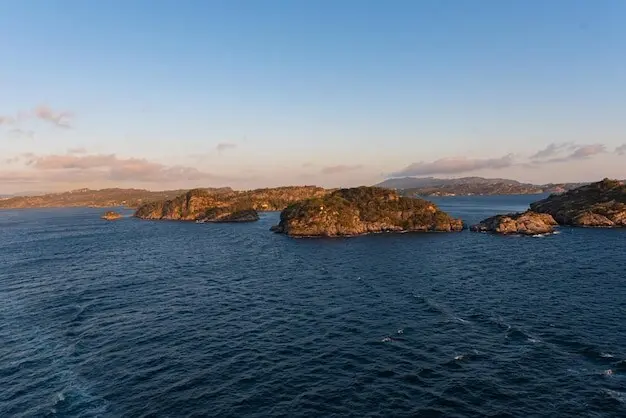
Cornwall’s ebb tide reveals characterful connections: causeway cobbles glistening like wet coins, kelp-draped steps, and fleeting bars stitching islands to wider journeys. Scout vantage points on higher ground and consider both approach and retreat lines. Some islands remain offshore and are best admired from reefs and promenades. Let viewpoint diversity guide you—elevated overlooks, shoreline abstracts, and compressed telephoto perspectives each sing a different, complementary note.

Compositions That Breathe with the Tide

Ebb tide composes alongside you: leading lines awaken, sand scallops broaden, and puddles mirror skylight. Think in sequences—approach, pause, crescendo—then build frames with intentional scale, guiding paths, and purposeful negative space. Let changing water heights reshape subjects, revisiting moments minutes apart. Resist filling everything; allow the islands room to breathe, so viewers can wander from foreground whispers to distant silhouettes with curiosity and lingering imagination.

Light-Chasing at the Water’s Edge

Golden Hour with a Receding Sea

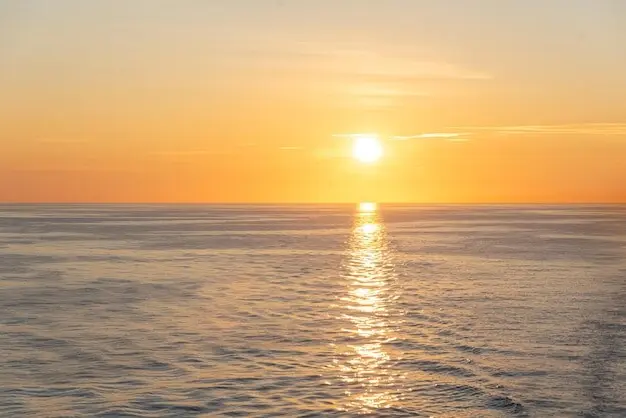
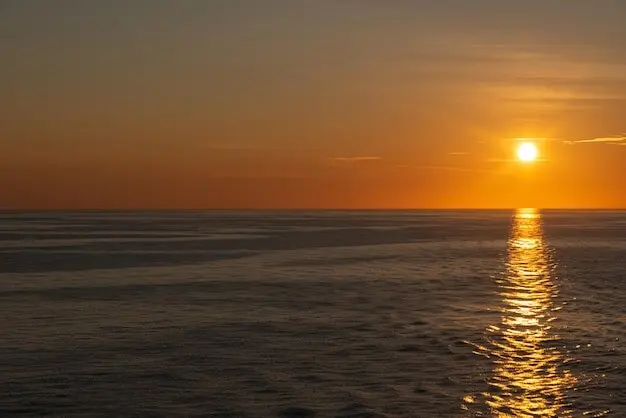
Low sun kisses exposed causeways, turning humble cobbles into filigree. Work quickly as highlights race along the stones, and refine micro-adjustments between waves. Expose for the brightest wet patches to protect detail, then lift shadows gently in post. Backlighting wet kelp creates delicate translucence that reads beautifully against dark granite. Step a pace higher or lower to dodge flare while still preserving charismatic rim-light around distant silhouettes.

Blue Hour, Lamps, and the First Stars

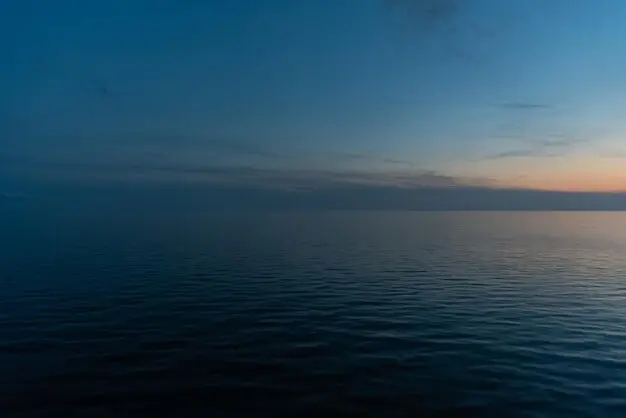
Low sun kisses exposed causeways, turning humble cobbles into filigree. Work quickly as highlights race along the stones, and refine micro-adjustments between waves. Expose for the brightest wet patches to protect detail, then lift shadows gently in post. Backlighting wet kelp creates delicate translucence that reads beautifully against dark granite. Step a pace higher or lower to dodge flare while still preserving charismatic rim-light around distant silhouettes.

Mist, Rain, and Atlantic Weather Drama

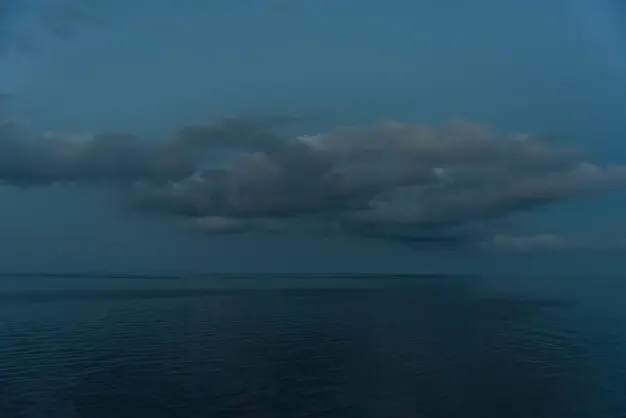
Low sun kisses exposed causeways, turning humble cobbles into filigree. Work quickly as highlights race along the stones, and refine micro-adjustments between waves. Expose for the brightest wet patches to protect detail, then lift shadows gently in post. Backlighting wet kelp creates delicate translucence that reads beautifully against dark granite. Step a pace higher or lower to dodge flare while still preserving charismatic rim-light around distant silhouettes.

Tools for Salt, Spray, and Shifting Sands

Reliable gear multiplies creative possibilities. Weather-sealed bodies, wide-to-short-telephoto lenses, and a thoughtful filter set prepare you for sudden brilliance. Tripods with adaptable feet tame cobbles and pools, while layered clothing, headlamps, and gloves keep judgment sharp. Carry dry bags, spare microfiber cloths, and fresh batteries warmed in pockets. A humble brush, aftercare rinse, and patient drying ritual safeguard optics from salt crystals that sabotage tomorrow’s clarity.

Lenses, Filters, and Focus Discipline

A 16–35 or 24–70 captures sweeping causeways and storytelling context, while a 70–200 compresses island layers across textured reefs. A polariser manages glare, graduated filters shape skies when horizons are simple, and solid NDs invite long exposures during gentle retreats. Pre-visualise hyperfocal trade-offs and confirm with magnified checks. In complex horizons, bracket exposures for blendable skies rather than forcing awkward grads that darken cliffs or irregular silhouettes.
Tripods, Feet, and Stable Platforms on Slippery Cobble

Set tripod legs wide and low on stable, flat stones, testing for wobble before committing to long exposures. Swap to rubber feet on smooth granite, reserving spikes for firm sand or turf. Hang a bag sparingly to avoid pendulum sway in gusts. Keep straps under control in wind, and step deliberately to protect both kit and habitat. Stability buys creative time, especially when reflections are perfect and fleeting.
Clothing, Safety, and Care for Your Kit

Neoprene or waterproof boots, grippy soles, and breathable layers maintain safe footing and steady decision-making. Pack a compact first-aid kit, headlamp, and emergency contact details. After shooting, rinse tripod locks, filter rims, and boots with fresh water, then dry thoroughly to prevent corrosion and salt streaks. Keep silica gel in the bag, rotate cloths often, and treat maintenance as part of the craft, not an afterthought or inconvenience.
Respecting Places, People, and the Sea

Photograph with humility. Follow access guidance, respect private property, and leave room for residents, worshippers, and workers who share these crossings daily. Drones require permissions and careful distance from wildlife; many estates prohibit them entirely. Keep noise low during dawn passages and carry out every trace. Share your images generously and credit locations thoughtfully, inviting dialogue, mentorship, and community while safeguarding fragile spots from overcrowding and unintended harm.
Kentopiralivoteli
Privacy Overview

This website uses cookies so that we can provide you with the best user experience possible. Cookie information is stored in your browser and performs functions such as recognising you when you return to our website and helping our team to understand which sections of the website you find most interesting and useful.